Emergency Preparedness. Be Ready. Be Organized.

Heaven forbid that any of us finds ourselves in an emergency situation.

Being the Girl Guide that I am, it is always best to “be prepared.”

Take a look at this short video on Emergency Preparedness so that you too can be ready and be organized.

Then read on for the following guidelines.

#1 Make a plan:  Take 15 minutes to make a family plan. Plan how you will meet or get in contact if you are not together at the time of the emergency.

Draw up a floor plan of your home that shows all possible exits from each room and from your home.

Keep copies of your plan in your emergency kit, your car and on your phone.

Have a neighbourhood plan. Are there people on your street or in your building that require extra help?

#2 Know basic first aid. Make sure your emergency kit has all the necessary items like band aids, swabs, rubbing alcohol etc. Keep a kit in your car and one in your master emergency kit.

#3 Make copies of important documents. Birth and marriage certificates, passports, licences, wills, land deeds and insurance. Keep these copies in your safety deposit box and or at a friend’s. Keep an up to date photo of all family members including pets and keep those photos both inside and outside of your home.

#4 Make note of any special heath needs. Keeping a record of medications required, allergies and medical conditions. Keep a copy of this in your emergency preparedness kit and on your phone.

#5 Have emergency contacts in your phone. Put ICE beside their name so authorities know “in case of emergency.”  Keep photocopies of these contact numbers in your kit.

#6 Dairorize to update your kit once per year.  Change the water, batteries, food and update any contact info.

#7 Safe home instructions. Make sure your carbon monoxide detector, smoke alarm, fire extinguisher are in working order and that your first aid kit is well stocked.

Have a fire extinguisher on every level of your home and know how to use it.

Know how to turn off your homes’ water, gas and electricity. Keep shut off instructions close by.

#8 Keep a small amount of cash on hand. Cash machines, debit and or credit cards may not work in a time of emergency.

Emergency Kit

Basic Emergency Kit:

  • Water
  • Food that won’t spoil, such as canned food, protein bars, dried nuts and dried fruit. Replace once a year.
  • Manual can opener
  • Battery powered flashlight and extra batteries.
  • Battery powered radio and extra batteries
  • First aid kit
  • Spare keys to your house and car
  • A copy of your plan and contact information
  • Candles, matches, lighter.
  • Change of clothing and footwear for each person
  • Warm blankets
  • Toiletries
  • Hand Sanitizer
  • Utensils
  • Garbage bags
  • Toilet paper
  • Water purifying tablets
  • Basic Tools such as hammer, screwdriver, work gloves, dust mask and pocket knife.
  • A whistle
  • Duct tape.

Emergency Vehicle Kit

  • Blanket
  • Candle and matches
  • Extra clothing and shoes
  • First aid kit with seat belt cutter
  • Flashlight with extra batteries
  • Food that won’t spoil
  • List of contact information
  • Radio and batteries
  • Small shovel, scraper and snowbrush
  • Warning light or road flares
  • Water
  • Whistle
  • Antifreeze and windshield washer fluid
  • Fire extinguisher
  • Road maps
  • Sand or salt
  • Tow rope and jumper cables.

Let’s hope we never have to use any of this information or items.

To all of our safety.

PS: What’s your resolution for this year when it comes to clearing the clutter and getting organized?
Book a free 15 minute mentoring session to discuss a game plan.
604-520-9550
www.gettingittogether.ca
By |2020-06-07T20:52:34+00:00January 17th, 2017|Home Organization, Organizer|0 Comments

What To Do With Business Cards

How often do you go to a networking event only to return back to your office with a mitt full of other people’s business cards?

You then have the best of intentions to sit down at your computer, fire off a note to each persona nod connect with them on social media.

A few days go by, a week, two weeks and then a month. Then 6 months and maybe years. Those cards are still sitting on your desk or by now they may have found a new home in one of the drawers or a box.

You still have the best of intentions to contact them however you feel like too much time has gone by.

Do you even remember these people and would they remember you?

Probably not.

So why not follow these simple Getting It Together Tips on “What to do with business cards” after watching this short video.

Tip #1: Be realistic. How many people can you truly connect with at one networking event?  It is better to get one or two really great connections than a handful of cards and not know anything about the other person or their business.

Tip#2:  Schedule follow up time in your calendar. Follow up is one of the most important things you can do in your business and one of the things most entrepreneurs fall short on.

Set aside 15 minutes per week whereby you will follow up with the people you met at the last networking meeting. Connect with them on Social Media, send them a quick note and/or give them a call.
Make sure you have a purpose for connecting. Is it to discuss future business ideas, book an appointment to exchange services and/or give them a referral?

Tip#3: File the card. Do you like to be paperless or do you still like to have a Rolodex?  Either way, once you have dealt with the business cards it is time to file them away. If you are paperless you probably have a scanning system in place. Take 15 minutes each week and scan the cards and then recycle them or if you still want the card, file it in your card holder system.

Don’t have either of these set up? What a perfect time to get your 15 minute FREE discovery session. We can chat about the best system for you and I’ll give you my most favorite app.
Send an email to Rowena@gettingittogether.ca  to book.

PS: The best time to start a new system is today. Don’t go back on all the years worth of business cards. If a card is a month or so old follow these steps. Anything older than that needs to be recycled unless you are going to connect on Social Media only.

By |2020-06-07T20:52:34+00:00December 14th, 2016|Home Organization, Organizer|0 Comments

Practice Mindful Shopping: Be A Conscious Consumer

Would you like to know the important tips to conscious consumption without regretting personal choices?

Are you concerned about the future of our earth and where all “this stuff” is going to end up?

Most women like to shop, wouldn’t you agree?  You might be like me and only enjoy window shopping while travelling because of the bright lights, overcrowded racks and disarray displays or you might be the type of woman who only shops online or are you the type who can hardly wait for the weekend so you can meet a friend and power through the mall?

Either way, you will want to be a conscious consumer instead of being consumed.

Take a quick look at this short video on Mindful Shopping and read on to get Getting It Togethers’ Top 5 Simple Tips

Tip1: Buy on need not price. Marketing gurus have us figured out. They know we can easily get drawn in to the “buy one get one free” or “buy one get one at 50% off.”  This is not the reason to purchase. Buy what you need. Period. If you’re feeling drawn in, walk away. Go have a coffee and think about the item. Do you really need it? Can you financially afford it? What is it really costing you if you purchase it? Disagreements with a spouse, crammed closets, guilty feelings, regret?

There will be times when you are feeling weak and end up with purchasing mistakes. We all have them. Give those items away or sell them. This could be clothing, gadgets, etc.

Tip 2: Work from a list. A conscious consumer has a list of items they need. Keep this ongoing list in your purse or phone. This includes grocery shopping.

Tip 3: Do your research. A conscious consumer looks for the best price, ethical manufacturing and or can it be previously loved? Let your fingers do the walking or better yet if your kids are old enough get them to research for you.

Buying second hand saves so much on the packaging especially when it comes to kids’ toys.

Borrowing an item from a friend like their power washer or canning supplies.rl3

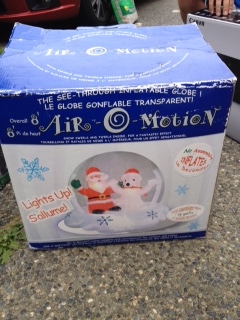
Tip 4: Know where you will be storing your new items. If it is clothing, that means an item or two needs to come out of your closet before this new one goes in. If it is a big blow up water toy or a large Christmas decoration you need to think about where this will be living.

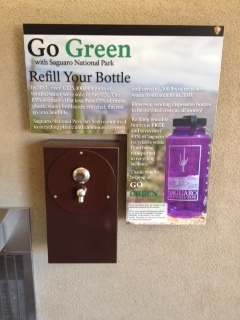
rl1What about a case of water? Can you refill your own water bottle and save on storage, the environment and money?

Tip 5: What is the purpose of purchasing this new item? Will it bring you joy for the purchasing instant or will it bring you continued pleasure? Do you need it or is it a want?

How will you spend your spare time now that you’ll be shopping less?

What will you do with the extra money?

PS: one of the best documentaries I’ve seen is “The Real Cost” check it out on Netflix and let me know your thoughts.


By |2020-06-07T20:52:34+00:00November 16th, 2016|Home Organization, Organizer, Organizing to Move|0 Comments

Collections VS. Clutter- are they the same or different and how to tell them apart

Did you start the collection or did someone start it for you?

Is the collection something that you love to look at?

Do you use the collection?

Did the collection happen by accident and then get completely out of control?

Check out this short video on Collections VS Clutter and then read on to find out the difference.

Collections and clutter are 2 different things.

Clutter is an untidy collection of things where as collections are several “like” items intended for display or investment.  A collection can be untidy if it is not stored, displayed or cared for properly.rl3

* Is this collection something you started? In the case of Mary. NO! Her parents thought it was a good idea for her to have an owl in her office. Then a friend and then another friend. Never once did my client buy herself an owl. She did not start the collection nor did she ever intend to have an owl collection. This is important to note.

* Do you like the collection? My client thought it was ok to have one or maybe 2 owls in her office however by the time I started working with her she was not happy with the takeover of owls. They were everywhere and it was looking too cluttered. This is where a collection starts to become a problem. Another client of my inherited a salt and pepper shaker collection. She had at least one hundred pairs and only used one!

* What to do with the collection? In the case of Mary she was ready for a change in her office. She had enjoyed the owls for many many years. We decided to keep her top 3 favorites. The one from her parents and 2 other neat looking ones. The rest we put in the hallway of the university with a sign that said “free”.

* What happened next? The interesting thing is that all the people walking past her office door thought she was leaving the campus. They did not understand why all of a sudden she wanted to get rid of the owls. It made them a little uncomfortable at first until they heard she was just going for a change.

All the “free’ owls were gone by the end of the day. They each got a new home in several other offices. Mary can go visit her owls any time she likes!

* How to stop a collection. If you no longer like the items you are collecting (or someone started collecting for you) or if they have taken over, it is time to put a stop to it. This can be a little delicate especially if family and friends have always bought you something to go with your collection. It is an easy gift giving idea for them and now what will they do? You will need to let EVERYONE know that you are no longer collecting XYZ. Instead you would prefer they give you consumable items or donate to a charity of their choice in your name. Let them know you are downsizing. This might even give them permission to start downsizing too.

Some collections can be sold on EBay, Craig’s List or at consignment stores. Some collections can be passed down to other family members. Unfortunately some collections end up in the land fill. Be careful what you start to collect. Be mindful of what type of collection you start for others. Is it something you will enjoy for years, does it have a purpose or value? Once it starts to take over, become a dust collector or not serve you any purpose it is time for it to go.

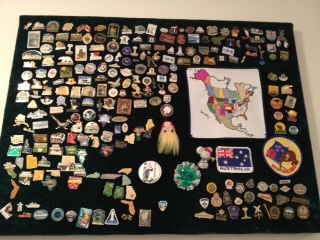
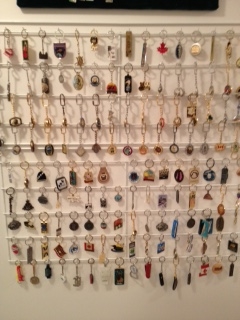
Check out these two pictures of collections nicely displayed and enjoyed by the owner.rl2rl1

I like to collect interesting people, memories and cash! How about you?

Hoo Hoo Hoo do you know who has not had their FREE 15 minute phone consultation?

Share the love by sharing the link.

www.gettingittogether.ca

By |2020-06-07T20:52:35+00:00October 12th, 2016|Home Organization, Travel Organization|0 Comments

How To Set Priorities

Do you feel like you are putting out fires all day long?

Do you feel like your time is never your time?

At the end of the day do you wonder what you really got done?


Take a look at this short simple video on “How To Set Priorities”

Then read on to get the top 4 quadrants to getting things done.

#1 Urgent/Important:

You wake up in the morning. What is one of the first things you do?

Is it urgent and important? If you are like most people it is….going to the washroom J

Then, getting washed up, fed and out the door to work. These are “must do’s”

These tasks have timelines if you want to be on time. They are urgent and they are important.RL1

Waking up in the morning and checking emails is “not” urgent or important.

Don’t get me wrong, your emails could very well be important; however do they need to be responded to before you have even taken care of your personal needs first?

What other “must do’s” do you have on your list of things to do?

(Oh wait a minute, you don’t have a list?) Let’s start there.

Do yourself a favour and write out your 6 most important things (6 being the magic number) you must do for the next day. These are things that only you can do. Then put these “to-do’s” in either the first or second quadrant.

#2 Not Urgent/Important:

This is the best quadrant to work from.

These are things that are important to you. Quality time with your family, exercising, clearing out the clutter, downsizing your aging parent’s home, spending time with friends, getting your taxes done. Achieving highly productive work activities without the sense of stress.

If you procrastinate on these above items they get moved to #1.

For example: Your Doctor orders you to start taking care of yourself, your parents pass on and now you are left with downsizing their home, your friends get resentful because you never make time to see them, your kids complain that all you ever do is work or your marriage is in trouble because you are having an affair with your mobile device. Your boss is yelling at you for the overdue reports.

Impeccable scheduling will eliminate the above examples.

#3 Urgent/Not Important:

Checking personal emails every single time the notification goes off. Note to self; turn the notification off.  Instead, set aside 2 times per day to check your personal emails.

Responding to texts the second they come in or worse while driving.

Answering your phone even when you are not free to talk. Like while you are with family and friends, while you are at dinner, while you are in the shower (yep, someone did that to me once)

Saying “yes” when you really mean “no”.

Anything that is a creative avoidance to what you really need to be doing and want to be doing.

#4 Not Urgent/Not Important:

Anything that is taking valuable time away from what you really want to do in life.

Watching endless TV, playing endless hours of video games, getting screen sucked, attending functions that are not contributing to your professional goals, attending meetings without an agenda or timeline, talking on the phone to a negative person who is not willing to take action to change their life and so on.

Don’t get me wrong, we all need some down time. Is yours in proportion to the rest of your life or are you using this quadrant as an escape?

PS: Are you still feeling time strapped? Connect today and receive your FREE weekly plan sheet. I will go over the best way for you to manage your time.

Know anyone who is always late? Share the love by sending this link to them.

www.gettingittogether.ca

Places You Should Never Store Anything

One of my goals is to keep my clients safe. I think you would all agree this is a good thing.

Having too much clutter can really be dangerous and unsafe.

Think about if there was a fire. Would you be able to get out of your home in a timely, safe manner?

If paramedics needed to come to your home, would they be able to safely enter?

Do you have trip zones?

Take a look at the short simple video on “Places You Should Never Store Anything”

And carry on reading the Getting It Together Top 3 Tips.

#1: Never store anything above your bed. You might think having floating shelves about the bed is a good idea until something falls off of the shelf in the middle of the night and hits you in the head. Ouch!

This goes for your kids rooms as well.

I see it all the time. A book shelf above the bed or a shelf for stuffed animals (ok, not so bad as they would not hurt you) even still; I do not recommend any shelving above a bed.

#2: Never store anything under the bed. Just think of all the dust that will collect unless you are willing to remove all the items under the bed once a week when you vacuum. I see a lot of people store spare blankets or clothes under the bed.  Do you really need those things? Have you long forgotten they were there? Is it time to pass them on with love?

#3: For sure, never store anything beside your furnace and hot water tank. Repair men need to be able to get to these at a moment’s notice.  Has your hot water tank ever leaked? You know what happens then and it is not pretty. Keep these areas clear.

PS: Do you find these newsletters of value? Please share the love by sharing them with your friends and family.

By |2020-06-07T20:52:35+00:00May 18th, 2016|Home Organization, Organizer, Organizing to Move|2 Comments

How to Online Date

Who would have ever thought you needed a system or needed to be organized to online date?

Well, at Getting It Together. All things. Organized. We did.

Check out this short video on “How to Online Date” and then read on to get Getting It Togethers’ top 6 tips.

Let’s first look at some very important safety measures one needs to take before getting started.

  1. Protect your privacy. When selecting an “online” name choose something that does not really relate to you so that if an ex lover was looking for you they would not be able to put 2 and 2 together.

For example: If you are a horse lover do not use this in your online name. Do not use your initials or a pet name that someone might have had for you.

When it is time to connect with the online person, ask them for their phone number.

Never give yours out (if you are a female reading this) and when you do call the person be sure to block your number until you have had at least one or 2 calls.  There are ways to block from a cell phone and a landline. Cell: #31#   and land line is *67

  1. Know your objective. Do you want a long term relationship, just some fun, dating or a friendship? Be clear about this and make it clear in your online profile. What are your non negotiables? Be very specific with your profile.Overwhelmed

You do not want to waste your time with people who are not a good match.

  1. Set aside time to peruse the online site, a time to connect via the online email system and a time to meet. This is where good time management and great organizational skills come in handy. Designate say Tuesday and Thursday nights after work to connect and one or 2 lunch hours for the pursuing part. Don’t jump to reply every time you get a message. This is not the best use of your time.
  1. Be organized. Have your little black book system. As shown in the video, you will want to have a system for keeping track of the people you are “talking” to online and the ones you are meeting. Post it notes are the best thing for this as you can move them around.
  1. Have fun! Meeting “strangers” online is not for the faint at heart. Keep in mind that each person is basically feeling the same way. A little uncomfortable, maybe nervous or shy and certainly vulnerable. Make your conversations light hearted, friendly and engaging.
  1. Follow the 4 agreements. Once you have started connecting be sure to keep the four agreements in mind. Don’t take anything personally. 2. Always do your best. 3. Be impeccable with your word ( online dating is not the place to lie or exaggerate…. No place is) 4. Do not make assumptions.  This is where being clear and getting clear are extremely important.

If you haven’t read the book “The 4 Agreements” by: Don Miquel Ruiz I would highly recommend it. It is a fabulous read even if you do not online date.  Great daily words to live by .

Here’s wishing you a life filled with love, joy, laughter and fun whether you are single, married, searching for a mate or not.

I am a sucker for a good love story. Please leave your comments in the box below on how you and your spouse/partner met.

PS: Feeling a little unsure about online dating? Treat yourself to a coaching session where we will discover your objectives, goals and needs. Contact me today at www.gettingittogether.ca

By |2020-06-07T20:52:36+00:00April 13th, 2016|Organizer|0 Comments

Estate Planning Made Simple

Personal estate organizing starts at the time we become an adult. Even if you think you have nothing of value there is still the question of your final wishes. Even if you think you have nothing there is still your bank account or your possible employment benefits etc.

We all know there is no escaping death, however we believe it will never happen to us. When we hear of a famous person’s demise we are usually in disbelief thinking that somehow they are exempt from death. And when it is a person close to us we go into shock, grief and sadness.

This is all real but somehow feels surreal.

Talking about death and dying does not mean it will come sooner. So why is it that we avoid the topic?

There are so many easy ways to be organized for your passing. This in turn will lessen the burden on your friends and family.

Imagine transitioning with grace.

Check out this short video on estate planning made simple and then read on for the Getting It Togethers Top 5 Tips.

Tip 1: Have a secure place for all of your digital passwords. Even if you use an online service like www.onepassword.com your loved ones still need to know how to get into that site.

Keep a copy in your safety deposit box.

Survivors need access to

  • Cell phone
  • Computer
  • Social media accounts
  • Home alarm with instructions on how to work it and the pass code.
  • Hidden spare keys and list of people who might have spare key to your home or vacation property.
  • Bank Accounts
  • Online accounts like banking, direct deposits, PayPal etc

Tip 2: Our stuff is less important to others. Are you saving stuff for your grown children? Do you even know if they want it or not?

I have heard of people having a family dinner where each person can claim certain heirlooms by placing a sticker on the bottom of the item with their name on it.

Or you might have special pieces of jewelry that you want to go to certain people which you will make note of in your will.

More has lost its appeal.

Less represents freedom.

Tip 3: Making special requests for your remains. Do your family members really know your final wishes?

Does everyone agree on them?

It is so important to have this in writing.

Advanced Planning- non legal organizing

  • Funeral, memorial service, celebration of life
  • Organ donation plan
  • Cremation or burial
  • Obituary ( be very careful about identity theft when publishing)
  • Eulogy
  • Asset Distribution
  • Estate Directory – friends, family ( have an up to date list of all their names and numbers)
  • List of Doctors, lawyers, financial planner, minister, accountant, insurance agent, employer, godparents, neighbours, kids school, babysitter, and daycare. Be sure to update these lists as things change in your life. I suggest reviewing this information once a year.
  • phone company
  • banks
  • credit card companies
  • volunteer organizations you belong to
  • Safety deposit box (with location of key) one way to insure smooth sailing is to have your bank acct and safety deposit box in joint name with one of your survivors.
  • Anything else you can think of that your survivors would need access to. Like passport, birth certificate and SIN # etc

Tip 4: Legal Essentials

  • Will
  • Power of Attorney
  • Representation Agreement ( living will)
  • Cash/life insurance, all financial documents
  • Business Succession Plan (if you own your own business) listing names of employees and their numbers, any contract workers or suppliers.
  • Any outstanding loans/alimony/child support

Tip 5: In order to process a registration of death for vital statistics and to process a death certificate, the funeral home will need the following

  • The deceased persons full legal name including maiden name if female
  • Date of birth
  • Date of death
  • Birthplace
  • Social insurance number
  • Health care number
  • Fathers full name
  • Mothers full name
  • Full name of surviving spouse
  • Occupation and for how long
  • Religious affiliation
  • Was the deceased a military veteran? This is important to have this information on file.

I am wishing all of my readers a long, happy, healthy, successful life.

When you do pass on, where will your affairs lie in the spectrum between chaos and order?

Please let me help you and your loved ones by making this transition smooth.

PS: Contact me today for a free 15 minute phone consultant on estate organizing. I’ll share with you your first next step.

Top 10 Tips To Being Organized And Put More Money In Your Pocket

One of the costs of clutter is money. Being disorganized can break the bank in more ways than one.

Do you catch yourself buying things because you

  1. A) Cannot find them in your home or
  2. B) Cannot remember if you have that item or
  3. C) You were so rushed in the morning that you did not make a lunch?

Would it be great if everything had a home and you could find what you were looking for in 20 seconds or less?

Check out this short video on The Top 10 Tips To Being Organized And Put More Money In Your Pocket.

Then read on for Getting It Togethers’ Top 10 Tips To Being Organized And Put More Money In Your Pocket.

Tip #1. Take your lunch. Get yourself organized by making your lunch the night before. I know we have all heard this one before but it is worth repeating. When you are organized it takes as little as 3-5 minutes to make a lunch for yourself. Not only is it healthier it is also going to save you big bucks. (well over $75.00 a week)

Tip #2. Avoid late-payment fees. Let’s get you a system in place so you no longer miss payments and get charged late fees. Setting up the system will take about 30 minutes. Well worth it don’t you think?

Tip #3. Call your local phone company to see if you have the best plan possible. Plans are always changing and most companies are willing to negotiate a new plan for you at no extra cost. I was able to lower my phone bill be 10.00 a month. That is 120.00 a year back in my pocket. This will take less than 5 minutes as long as you are not put on hold J If you are put on hold, take that time to toss out some old papers that have been piling up.

Tip #4. Call your local cable company and ask them the same thing. Are you really watching all 500 channels? Can you get a better “package?” This will take about the same amount of time as the above tip.

Tip #5. Pay your credit card off in full each month. Be organized with your online banking so you do not miss a payment. This takes 3 minutes to set up and can save you hundreds of dollars in interest fees.

Tip #6. Plan your meals for the week. This avoids running into the grocery store several times a week. Not only does this save you huge amounts of time it saves on impulse buying. Take 15 minutes once a week to plan your meals and make your shopping list. And yes, I can help you with this by giving you simply easy dinner menu items for you and your family.

Tip #7. Plan ahead when traveling by taking your own snacks on the plane. Airport food is overpriced. Just think of what a bottle of water costs in an airport!

Tip #8. Be organized and save money by purchasing your sunscreen ahead of time. Tourist shops increase the prices for people who forget their sunscreen at home.

Tip #9. Sell unwanted items in your home before they are no good to anyone else. Perfect example of this is items that get outdated like furniture and clothing. I know you are keeping them “just in case” however this is where you need to get ruthless and ask yourself “would I replace this item if it was lost in a flood or fire?” If not, then it is time to pass it on.

Tip #10. Repurpose greeting cards that are sent to you. Cut the front off (picture part) and glue it to a new piece of paper.Voila! a new card. Great way to repurpose your kids’ art work too. Use it for wrapping paper or make cards out of them.

PS: Are we connected on Facebook? If not, please head on over and click the “LIKE” button and then “SHARE” the page on your Facebook.

Thanking you in advance for spreading the love. I will do the same for you.


Top 10 Things to Consider When Designing a Custom Closet

RL1

Before Picture

Have you ever thought to yourself “why can I not get my closets organized?”

Do you dream of a walk in closet that looks like the ones in the magazines?

Getting your closets organized is a combination of things.

Firstly you might have too much stuff in too small a space or it could be that the design of the closet is not the best use of space or it could be a combination of both. What is your situation?

So let’s say you have downsized all of your closets and things are still not fitting in. Then what!

Is it time to bring in the big guns and get some custom closets installed?

RL2You will be amazed at how the custom closet companies can make the best use of the space you have. You might even end up with double the hanging space.

I work very closely with a company here in the Lower Mainland of Vancouver. Their work is professional and guaranteed. If you are interested in hearing more please contact me and we can arrange a free estimate.


In the mean time check out this short video on The Top 10 Things To Consider When Designing A Custom Closet.

Here are Getting It Togethers’ Top 10 things to consider when designing a custom closet.

  1. What is your closet being used for and who will be using it?
  • Is it your front entrance closet where you not only need room for you and your family’s shoes and coats but would you also like room for when guests come over?
  • Is it strictly for clothes?
  • Is it a storage closet for suitcases, airconditioner and or holiday decorations?
  • Is it in your home office?
  • Is it in the spare room or children’s room?
  • Is it your kitchen pantry or one of those tricky corner cupboards in your kitchen?

2. Do you change your clothes seasonally or do you like to have all of your clothes in one place?

3. Do you like to keep shoes in the same closet as your clothes?

If so, do you like your shoes in shoe boxes (I recommend clear ones) or do you like them on flat shelves or angled shelves? And what about purses?

4. Are you right handed or left handed? This makes a difference as to how you open and close things and how you work in say your office or the kitchen.

5. Do you prefer to hang your pants or do you like to fold them on a shelf? Same goes for your tee shirts.

6. Where do you like to have the dirty clothes hamper?

7. What are the heights of the people using the closet, as well as the height of the person putting the clothes away?

8. Do you like to have a dresser in your bedroom or would you rather small drawers in your closet for things like socks, underwear, workout gear and such?

9. What is your career? Do you need an area for long formal gowns, and if so how much? Do you wear a uniform? Do you need a tie rack or belt rack?

10. What, if any impediments are in the closet? The opening to your attic or crawl space, the door chimes, alarm system, plugs, or heat vents.

RLafter

After picture

Now that you have your custom closets installed you will want to put your things away in the most organized fashion. Time to bring in the big guns again. That would be me 🙂

I’ll put everything away for you in your clothes closet, pantry, office , garage and kids room. It will look like the magazine photos.

Just think of how much more time you will have now that you can find what you are looking for in 20 seconds or less. Think of how relaxed you will be because things will not be falling on your head. Think of the money you will save because you will be able to find what you need and will not be running out to buy a new one that you thought was lost. Sounds like paradise doesn’t it?

What are you waiting for? Call today to book your free over the phone session – 604-520-9550

PS: If you liked this article and found it helpful please share the love by sharing the link. And as always, love to hear from you in the comment box below.

By |2020-06-07T20:52:36+00:00January 12th, 2016|Home Organization, Organizer, Organizing to Move|0 Comments
Go to Top